
Plus, we’re always introducing new features to optimize your in-app experience. Melody is here to help as you adjust to a life with less (or no) alcohol. For a deeper understanding of how alcohol affects the brain, you can read this article. You will not be able to breathe normally, and your gag reflex won’t work correctly. This can be dangerous — even fatal — if you choke on your vomit or become critically injured.
- At this stage, the individual’s blood alcohol concentration (BAC) is alarmingly elevated, typically well beyond the threshold for alcohol poisoning.
- It’s important to note that having a genetic predisposition does not mean someone is destined to develop AUD or addiction.
- No matter the kind of social gathering you are at or how much fun you are having, you should always keep the amount of alcohol you consume under control.
- From there, it travels to various organs and systems, affecting the central nervous system (CNS) in particular.
How to Practice Safer Drinking Habits
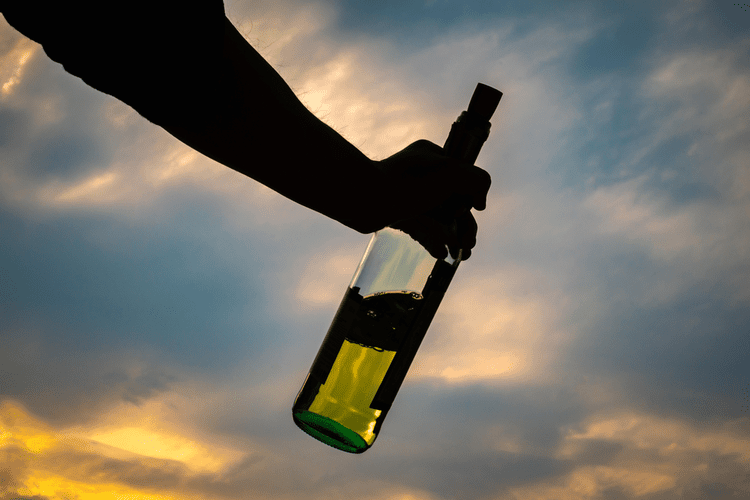
Wine, referred to for centuries as the “drink of the gods,” is said to bring about a merry feeling of drunkenness. Now that we know the alcohol rehab actual factors that contribute to “how drunk” and the “type of drunk” we feel, we have the tools to make more responsible drinking choices. While we’ve discussed the idea of “wine drunk,” beer is also believed to create a unique feeling of drunkenness. Commonly thought of as the “bro” drink of choice, “beer drunk” supposedly brings about a more confident, boisterous persona. Although a glass of wine and a can of beer can have a similar amount of alcohol, wine is more commonly tied with feelings of relaxation and poise. Another cognitive sign of being drunk is confusion and disorientation.
Strategies to Manage Emotions While Drinking
This boost in transmission leads to a temporary reduction in anxiety and relaxation. Even at this stage, mild impairments in speech, balance, and attention may already be measurable. At the lowest levels of intoxication (BAC between 0.02% and 0.05%), the experience is characterized by mild stimulation.
Take Back Control
This increased impairment can make it difficult to assess one’s level of intoxication, leading to potentially risky or dangerous behaviors. The cerebellum, responsible for motor control, is affected by alcohol causing loosened muscles and impaired coordination. This results in unsteady movements, blurred vision, slower reaction times, and difficulty performing https://oil-village.com/sober-living/alcohol-induced-dementia-fhe-health/ simple physical tasks. Alcohol’s influence on the brain’s neurotransmitters changes how thoughts flow and decisions form.
Understand the Experience
It’s important to note that having a genetic predisposition does not mean someone is destined to develop AUD or addiction. Environmental factors, such as social influences and access to alcohol, can also play a significant role. However, understanding the role of genetics can help individuals make informed decisions about their drinking habits and seek appropriate treatment if necessary.
Signs and Symptoms of Different Levels of Intoxication

And so, the transition is rough, causing you to feel as though you’re drunk. You might feel drunk right after you wake up as opposed to the auto-brewery syndrome. But don’t worry, because, with a few quick fixes, you’ll be able to get rid of this problem. This article will explain all you need to know about feeling drunk without actually drinking. First-time drinking can be different because we don’t know what to expect, and it’s the first time our body is exposed to alcohol, potentially leading to a more intense reaction.
This chemical interference is why a fun night out can sometimes take an unexpected emotional turn, leaving you feeling overwhelmed by feelings that seem to come out of nowhere. It’s a direct what does being drunk feel like result of alcohol’s impact on your brain’s finely tuned system, not a reflection of your true, underlying emotional state. All of this is to say that if getting drunk sounds like a form of harmless fun, think again. Anyone who drinks heavily should know the health risks ahead of time— as well as how to get help for an alcohol problem. Alcohol affects the brain and every part of the body on a cellular level.
Comments are closed